 Add to Chrome
 Add to Firefox
 Add to Edge
TRIP-Bench: A Benchmark for Long-Horizon Interactive Agents in Real-World Scenarios
Feb 02, 2026
As LLM-based agents are deployed in increasingly complex real-world settings, existing benchmarks underrepresent key challenges such as enforcing global constraints, coordinating multi-tool reasoning, and adapting to evolving user behavior over long, multi-turn interactions. To bridge this gap, we introduce \textbf{TRIP-Bench}, a long-horizon benchmark grounded in realistic travel-planning scenarios. TRIP-Bench leverages real-world data, offers 18 curated tools and 40+ travel requirements, and supports automated evaluation. It includes splits of varying difficulty; the hard split emphasizes long and ambiguous interactions, style shifts, feasibility changes, and iterative version revision. Dialogues span up to 15 user turns, can involve 150+ tool calls, and may exceed 200k tokens of context. Experiments show that even advanced models achieve at most 50\% success on the easy split, with performance dropping below 10\% on hard subsets. We further propose \textbf{GTPO}, an online multi-turn reinforcement learning method with specialized reward normalization and reward differencing. Applied to Qwen2.5-32B-Instruct, GTPO improves constraint satisfaction and interaction robustness, outperforming Gemini-3-Pro in our evaluation. We expect TRIP-Bench to advance practical long-horizon interactive agents, and GTPO to provide an effective online RL recipe for robust long-horizon training.

TriSpec: Ternary Speculative Decoding via Lightweight Proxy Verification
Jan 30, 2026Inference efficiency in Large Language Models (LLMs) is fundamentally limited by their serial, autoregressive generation, especially as reasoning becomes a key capability and response sequences grow longer. Speculative decoding (SD) offers a powerful solution, providing significant speed-ups through its lightweight drafting and parallel verification mechanism. While existing work has nearly saturated improvements in draft effectiveness and efficiency, this paper advances SD from a new yet critical perspective: the verification cost. We propose TriSpec, a novel ternary SD framework that, at its core, introduces a lightweight proxy to significantly reduce computational cost by approving easily verifiable draft sequences and engaging the full target model only when encountering uncertain tokens. TriSpec can be integrated with state-of-the-art SD methods like EAGLE-3 to further reduce verification costs, achieving greater acceleration. Extensive experiments on the Qwen3 and DeepSeek-R1-Distill-Qwen/LLaMA families show that TriSpec achieves up to 35\% speedup over standard SD, with up to 50\% fewer target model invocations while maintaining comparable accuracy.
Sophia: A Persistent Agent Framework of Artificial Life
Dec 20, 2025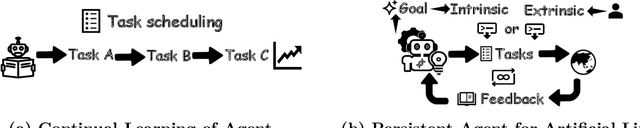
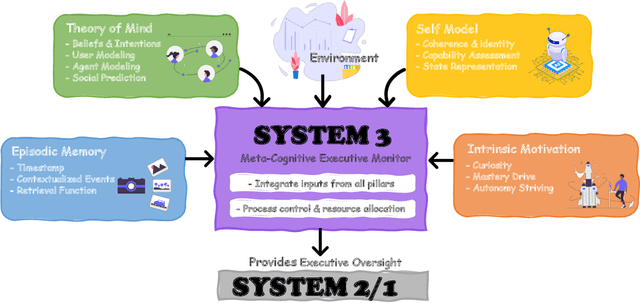
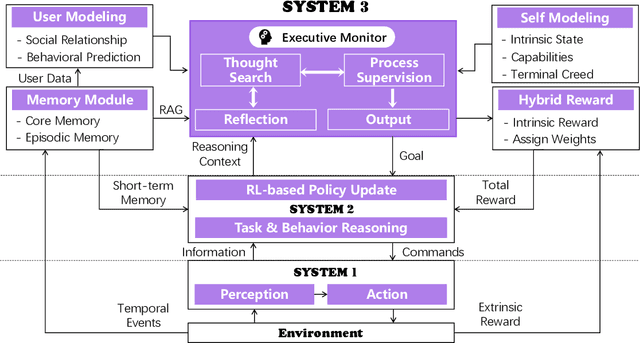
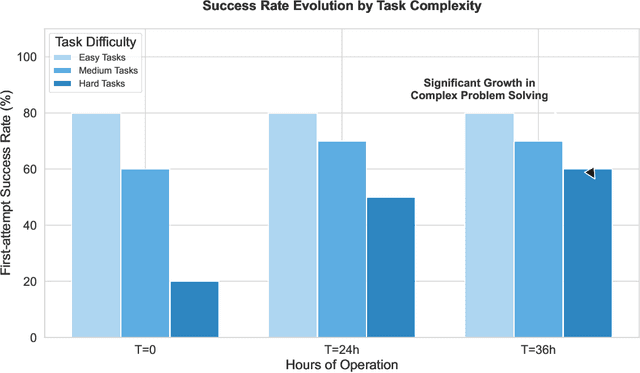
The development of LLMs has elevated AI agents from task-specific tools to long-lived, decision-making entities. Yet, most architectures remain static and reactive, tethered to manually defined, narrow scenarios. These systems excel at perception (System 1) and deliberation (System 2) but lack a persistent meta-layer to maintain identity, verify reasoning, and align short-term actions with long-term survival. We first propose a third stratum, System 3, that presides over the agent's narrative identity and long-horizon adaptation. The framework maps selected psychological constructs to concrete computational modules, thereby translating abstract notions of artificial life into implementable design requirements. The ideas coalesce in Sophia, a "Persistent Agent" wrapper that grafts a continuous self-improvement loop onto any LLM-centric System 1/2 stack. Sophia is driven by four synergistic mechanisms: process-supervised thought search, narrative memory, user and self modeling, and a hybrid reward system. Together, they transform repetitive reasoning into a self-driven, autobiographical process, enabling identity continuity and transparent behavioral explanations. Although the paper is primarily conceptual, we provide a compact engineering prototype to anchor the discussion. Quantitatively, Sophia independently initiates and executes various intrinsic tasks while achieving an 80% reduction in reasoning steps for recurring operations. Notably, meta-cognitive persistence yielded a 40% gain in success for high-complexity tasks, effectively bridging the performance gap between simple and sophisticated goals. Qualitatively, System 3 exhibited a coherent narrative identity and an innate capacity for task organization. By fusing psychological insight with a lightweight reinforcement-learning core, the persistent agent architecture advances a possible practical pathway toward artificial life.
Wide-In, Narrow-Out: Revokable Decoding for Efficient and Effective DLLMs
Jul 24, 2025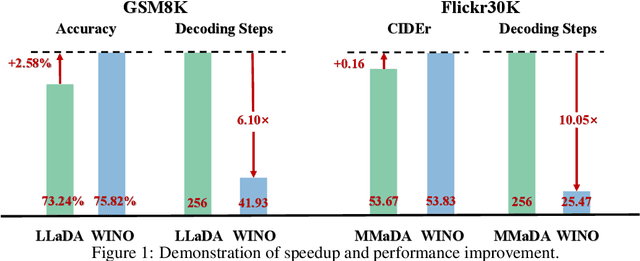
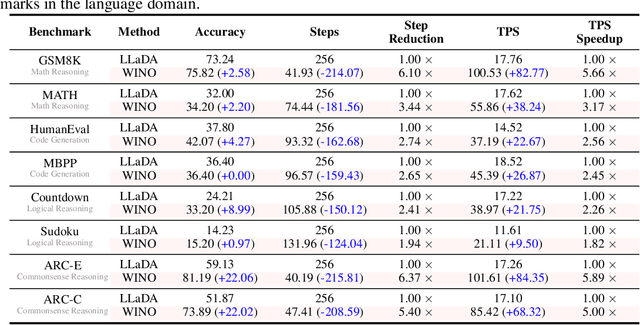
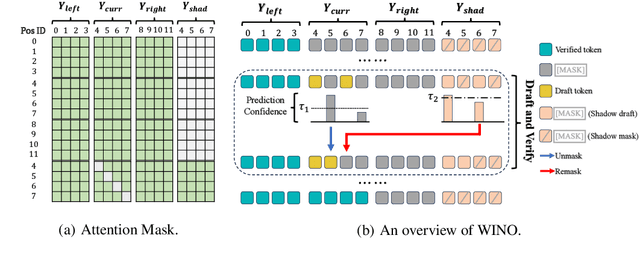
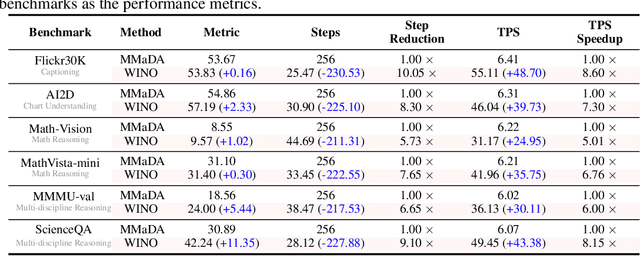
Diffusion Large Language Models (DLLMs) have emerged as a compelling alternative to Autoregressive models, designed for fast parallel generation. However, existing DLLMs are plagued by a severe quality-speed trade-off, where faster parallel decoding leads to significant performance degradation. We attribute this to the irreversibility of standard decoding in DLLMs, which is easily polarized into the wrong decoding direction along with early error context accumulation. To resolve this, we introduce Wide-In, Narrow-Out (WINO), a training-free decoding algorithm that enables revokable decoding in DLLMs. WINO employs a parallel draft-and-verify mechanism, aggressively drafting multiple tokens while simultaneously using the model's bidirectional context to verify and re-mask suspicious ones for refinement. Verified in open-source DLLMs like LLaDA and MMaDA, WINO is shown to decisively improve the quality-speed trade-off. For instance, on the GSM8K math benchmark, it accelerates inference by 6$\times$ while improving accuracy by 2.58%; on Flickr30K captioning, it achieves a 10$\times$ speedup with higher performance. More comprehensive experiments are conducted to demonstrate the superiority and provide an in-depth understanding of WINO.
Differential-informed Sample Selection Accelerates Multimodal Contrastive Learning
Jul 17, 2025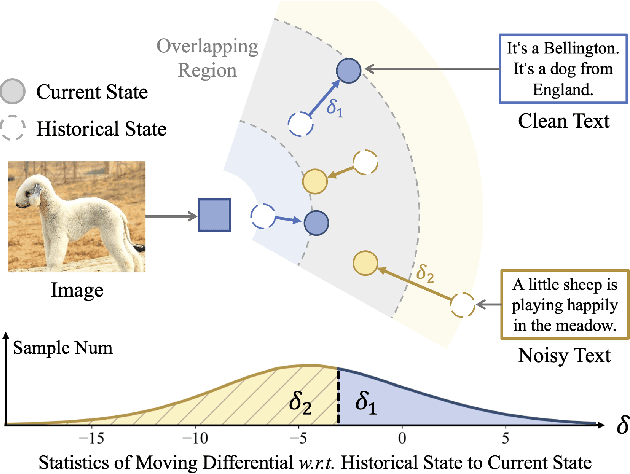
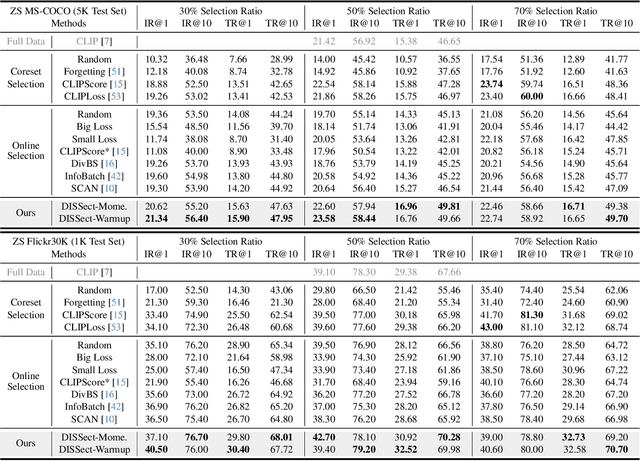
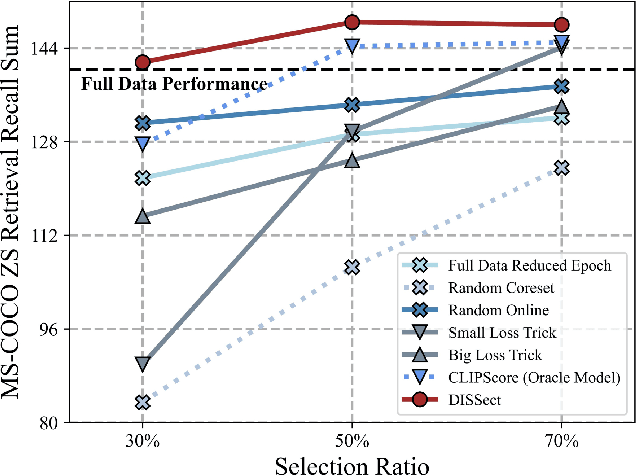
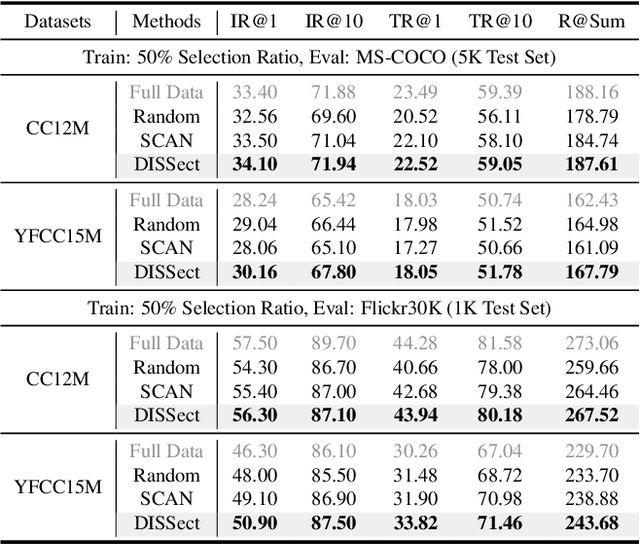
The remarkable success of contrastive-learning-based multimodal models has been greatly driven by training on ever-larger datasets with expensive compute consumption. Sample selection as an alternative efficient paradigm plays an important direction to accelerate the training process. However, recent advances on sample selection either mostly rely on an oracle model to offline select a high-quality coreset, which is limited in the cold-start scenarios, or focus on online selection based on real-time model predictions, which has not sufficiently or efficiently considered the noisy correspondence. To address this dilemma, we propose a novel Differential-Informed Sample Selection (DISSect) method, which accurately and efficiently discriminates the noisy correspondence for training acceleration. Specifically, we rethink the impact of noisy correspondence on contrastive learning and propose that the differential between the predicted correlation of the current model and that of a historical model is more informative to characterize sample quality. Based on this, we construct a robust differential-based sample selection and analyze its theoretical insights. Extensive experiments on three benchmark datasets and various downstream tasks demonstrate the consistent superiority of DISSect over current state-of-the-art methods. Source code is available at: https://github.com/MediaBrain-SJTU/DISSect.
Deep Learning Framework for Infrastructure Maintenance: Crack Detection and High-Resolution Imaging of Infrastructure Surfaces
May 06, 2025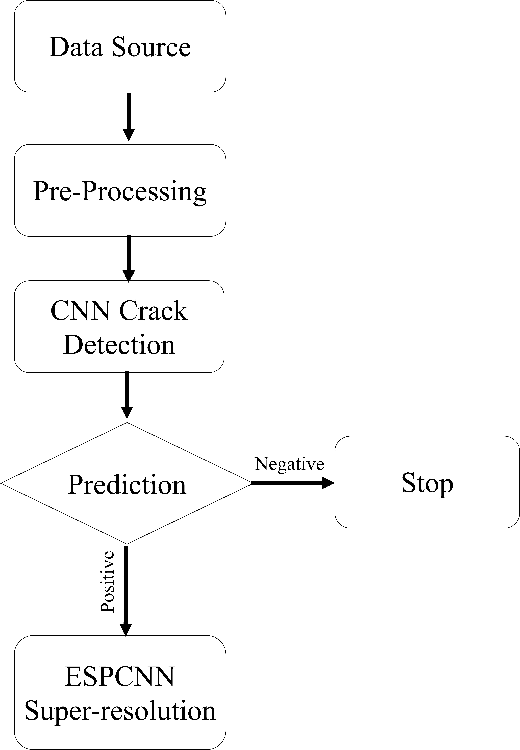
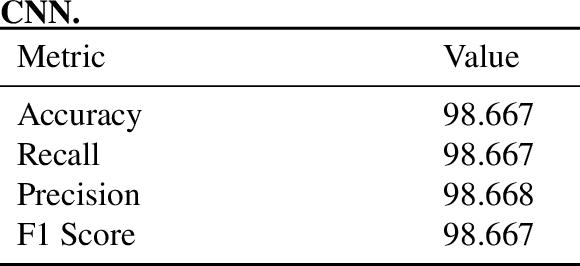
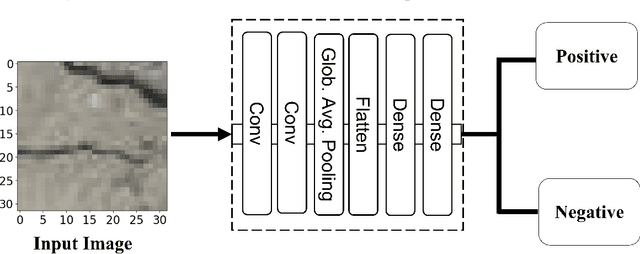

Recently, there has been an impetus for the application of cutting-edge data collection platforms such as drones mounted with camera sensors for infrastructure asset management. However, the sensor characteristics, proximity to the structure, hard-to-reach access, and environmental conditions often limit the resolution of the datasets. A few studies used super-resolution techniques to address the problem of low-resolution images. Nevertheless, these techniques were observed to increase computational cost and false alarms of distress detection due to the consideration of all the infrastructure images i.e., positive and negative distress classes. In order to address the pre-processing of false alarm and achieve efficient super-resolution, this study developed a framework consisting of convolutional neural network (CNN) and efficient sub-pixel convolutional neural network (ESPCNN). CNN accurately classified both the classes. ESPCNN, which is the lightweight super-resolution technique, generated high-resolution infrastructure image of positive distress obtained from CNN. The ESPCNN outperformed bicubic interpolation in all the evaluation metrics for super-resolution. Based on the performance metrics, the combination of CNN and ESPCNN was observed to be effective in preprocessing the infrastructure images with negative distress, reducing the computational cost and false alarms in the next step of super-resolution. The visual inspection showed that EPSCNN is able to capture crack propagation, complex geometry of even minor cracks. The proposed framework is expected to help the highway agencies in accurately performing distress detection and assist in efficient asset management practices.
Learning to Instruct for Visual Instruction Tuning
Mar 28, 2025We propose LIT, an advancement of visual instruction tuning (VIT). While VIT equips Multimodal LLMs (MLLMs) with promising multimodal capabilities, the current design choices for VIT often result in overfitting and shortcut learning, potentially degrading performance. This gap arises from an overemphasis on instruction-following abilities, while neglecting the proactive understanding of visual information. Inspired by this, LIT adopts a simple yet effective approach by incorporating the loss function into both the instruction and response sequences. It seamlessly expands the training data, and regularizes the MLLMs from overly relying on language priors. Based on this merit, LIT achieves a significant relative improvement of up to 9% on comprehensive multimodal benchmarks, requiring no additional training data and incurring negligible computational overhead. Surprisingly, LIT attains exceptional fundamental visual capabilities, yielding up to an 18% improvement in captioning performance, while simultaneously alleviating hallucination in MLLMs.
Diversified Batch Selection for Training Acceleration
Jun 07, 2024The remarkable success of modern machine learning models on large datasets often demands extensive training time and resource consumption. To save cost, a prevalent research line, known as online batch selection, explores selecting informative subsets during the training process. Although recent efforts achieve advancements by measuring the impact of each sample on generalization, their reliance on additional reference models inherently limits their practical applications, when there are no such ideal models available. On the other hand, the vanilla reference-model-free methods involve independently scoring and selecting data in a sample-wise manner, which sacrifices the diversity and induces the redundancy. To tackle this dilemma, we propose Diversified Batch Selection (DivBS), which is reference-model-free and can efficiently select diverse and representative samples. Specifically, we define a novel selection objective that measures the group-wise orthogonalized representativeness to combat the redundancy issue of previous sample-wise criteria, and provide a principled selection-efficient realization. Extensive experiments across various tasks demonstrate the significant superiority of DivBS in the performance-speedup trade-off. The code is publicly available.
A framework of text-dependent speaker verification for chinese numerical string corpus
May 11, 2024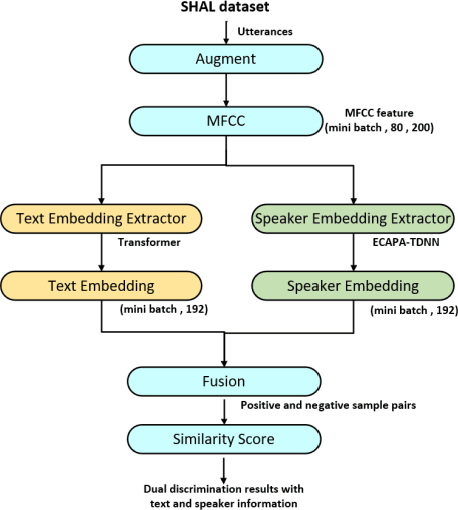
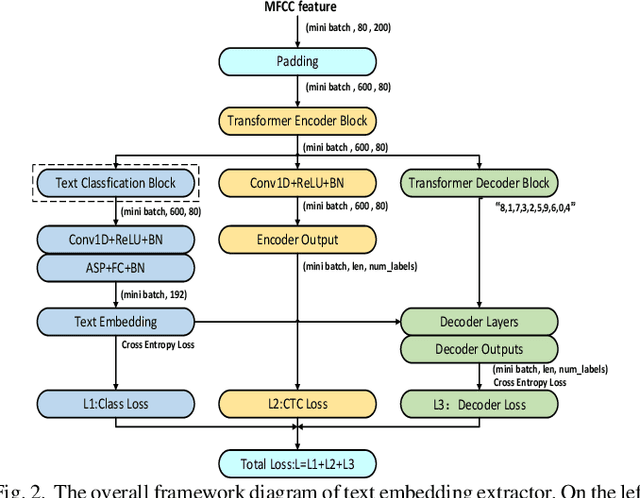
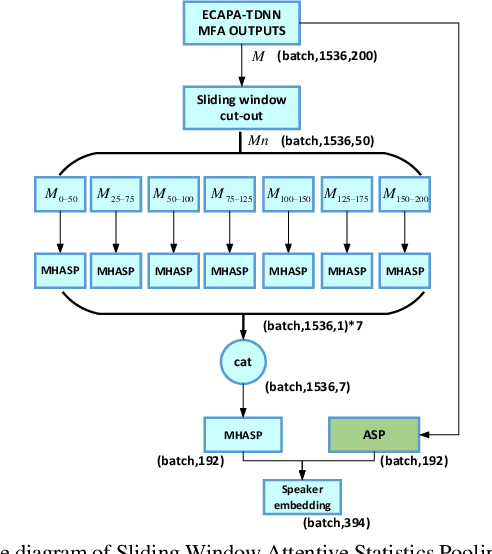
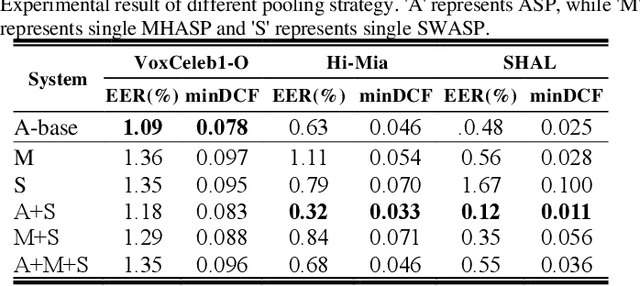
The Chinese numerical string corpus, serves as a valuable resource for speaker verification, particularly in financial transactions. Researches indicate that in short speech scenarios, text-dependent speaker verification (TD-SV) consistently outperforms text-independent speaker verification (TI-SV). However, TD-SV potentially includes the validation of text information, that can be negatively impacted by reading rhythms and pauses. To address this problem, we propose an end-to-end speaker verification system that enhances TD-SV by decoupling speaker and text information. Our system consists of a text embedding extractor, a speaker embedding extractor and a fusion module. In the text embedding extractor, we employ an enhanced Transformer and introduce a triple loss including text classification loss, connectionist temporal classification (CTC) loss and decoder loss; while in the speaker embedding extractor, we create a multi-scale pooling method by combining sliding window attentive statistics pooling (SWASP) with attentive statistics pooling (ASP). To mitigate the scarcity of data, we have recorded a publicly available Chinese numerical corpus named SHALCAS22A (hereinafter called SHAL), which can be accessed on Open-SLR. Moreover, we employ data augmentation techniques using Tacotron2 and HiFi-GAN. Our method achieves an equal error rate (EER) performance improvement of 49.2% on Hi-Mia and 75.0% on SHAL, respectively.
UniChest: Conquer-and-Divide Pre-training for Multi-Source Chest X-Ray Classification
Dec 18, 2023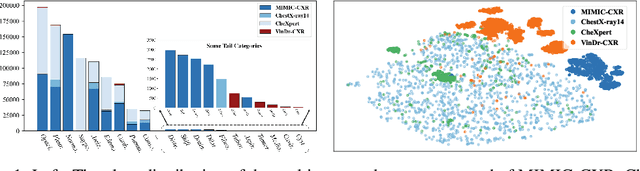
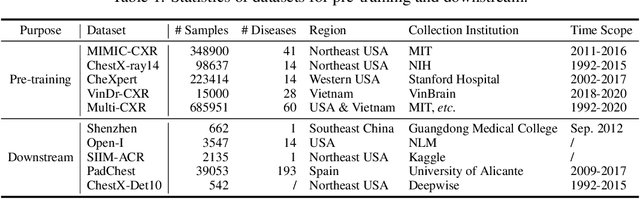
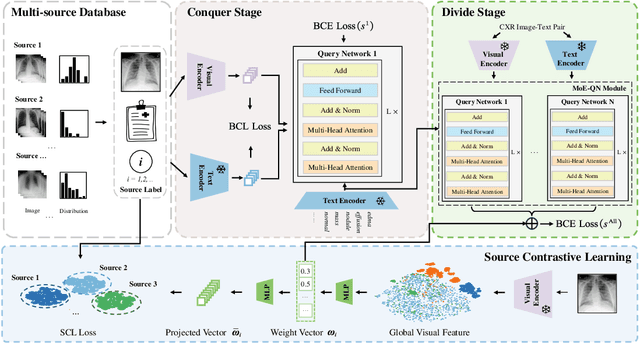

Vision-Language Pre-training (VLP) that utilizes the multi-modal information to promote the training efficiency and effectiveness, has achieved great success in vision recognition of natural domains and shown promise in medical imaging diagnosis for the Chest X-Rays (CXRs). However, current works mainly pay attention to the exploration on single dataset of CXRs, which locks the potential of this powerful paradigm on larger hybrid of multi-source CXRs datasets. We identify that although blending samples from the diverse sources offers the advantages to improve the model generalization, it is still challenging to maintain the consistent superiority for the task of each source due to the existing heterogeneity among sources. To handle this dilemma, we design a Conquer-and-Divide pre-training framework, termed as UniChest, aiming to make full use of the collaboration benefit of multiple sources of CXRs while reducing the negative influence of the source heterogeneity. Specially, the ``Conquer" stage in UniChest encourages the model to sufficiently capture multi-source common patterns, and the ``Divide" stage helps squeeze personalized patterns into different small experts (query networks). We conduct thorough experiments on many benchmarks, e.g., ChestX-ray14, CheXpert, Vindr-CXR, Shenzhen, Open-I and SIIM-ACR Pneumothorax, verifying the effectiveness of UniChest over a range of baselines, and release our codes and pre-training models at https://github.com/Elfenreigen/UniChest.